


.svg)
.svg)
Sanctions regimes and forced labor enforcement are entering a less forgiving phase.
The rules are no longer new. The guidance has been published, revised, and re-published. Most serious firms now have policies, controls, and third-party screening in place. And yet, enforcement actions continue to rise, not because companies are unaware of the rules, but because reality on the ground rarely conforms to policy diagrams.
What we are seeing across Asia in 2025 and into 2026 is a shift away from theoretical compliance toward evidentiary compliance. Regulators are asking harder questions. Investors are demanding substantiation. Supply chains that once relied on distance and opacity are being pulled into sharper focus.
This is the context in which Anrike joins Cascade Asia.
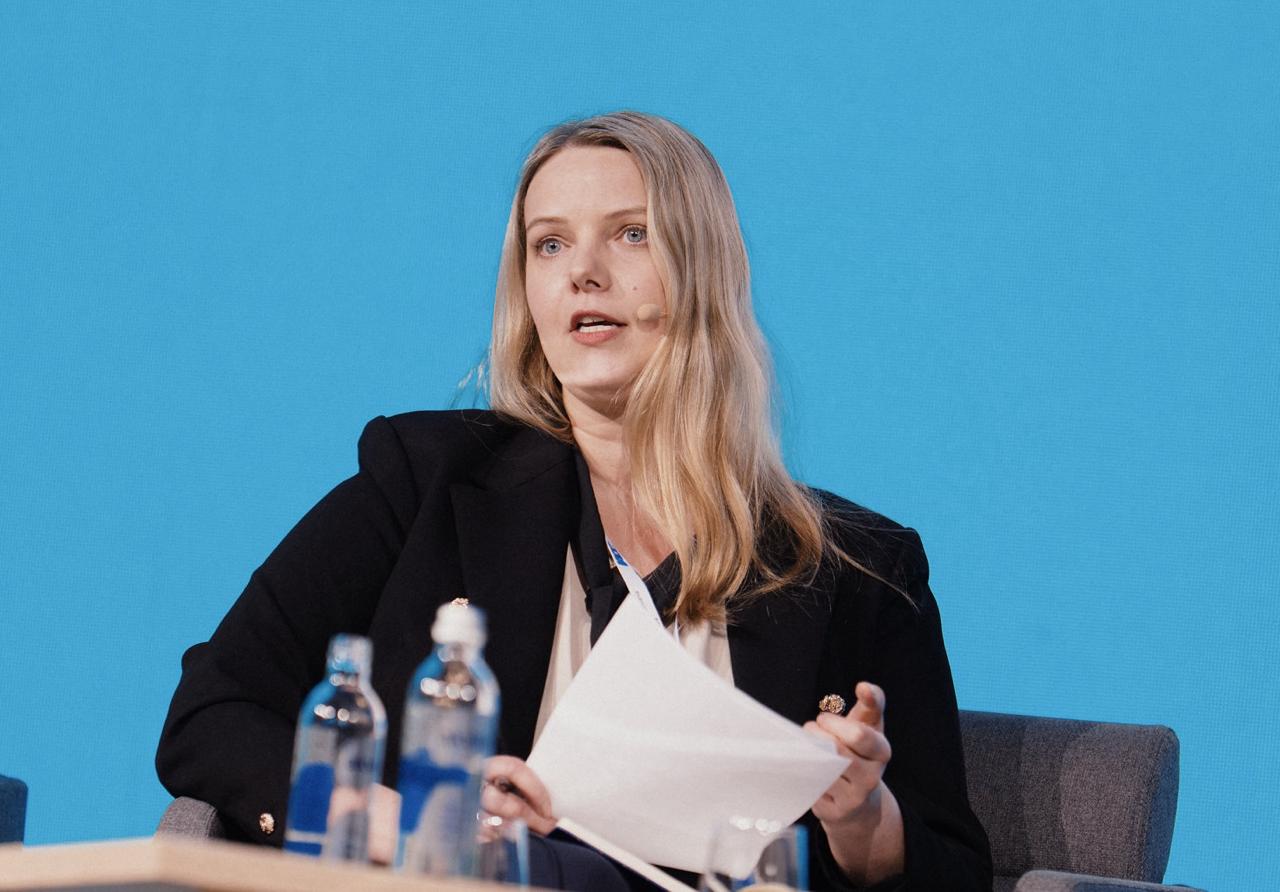
Her experience matters because it sits squarely at the intersection where enforcement intent meets operational reality.
Across sanctions and forced labor cases, a recurring pattern emerges: the risk is not usually where companies expect it to be. It hides in subcontracting layers that look innocuous on paper. It emerges in regional workarounds that made sense locally but collapse under external scrutiny. It persists because incentives on the ground reward continuity over compliance, even when the stakes have changed.
Anrike’s work has consistently focused on these fault lines; how enforcement frameworks translate (or fail to translate) once they encounter local commercial norms, labor practices, and political constraints. That perspective is increasingly critical as enforcement bodies rely less on self-reporting and more on triangulated evidence: trade data, satellite imagery, labor flows, financial records, and on-the-ground verification.
What this means for companies operating in or through Asia is uncomfortable but unavoidable. Risk can no longer be managed solely through centralized controls. It has to be understood as something that is produced locally, by people responding rationally to their immediate environment.
More than ever, fieldwork matters.
This is not as a box-ticking exercise, but as a way of understanding how decisions are actually made. Who bears the cost of compliance? Who benefits from ambiguity? Where will pressure surface when enforcement intensifies? Without that understanding, even well-designed compliance programs can produce false confidence.
Anrike brings a habit of asking the questions that are easy to overlook: what assumptions are embedded in our risk models? Which parts of the supply chain are trusted by default? Where does “acceptable risk” quietly become normalized exposure?
As sanctions enforcement expands and forced labor bans are applied with greater precision, those questions are no longer academic. They determine whether organizations can defend their decisions with evidence, not just intent.
This is why her arrival matters to our work at Cascade Asia. Not because the landscape is new, but because it is maturing and mature enforcement environments have little patience for surface-level answers.
In the months ahead, Field Notes will explore this terrain more closely: how enforcement is evolving, how companies are responding, and where gaps between policy and practice continue to create risk. Anrike’s perspective will be part of that conversation, grounded, as always, in what can be observed, verified, and understood on the ground before it becomes analysis.
This reflection builds on a recent announcement shared via Cascade Asia's Linkedin channel.